The Smell of Death.
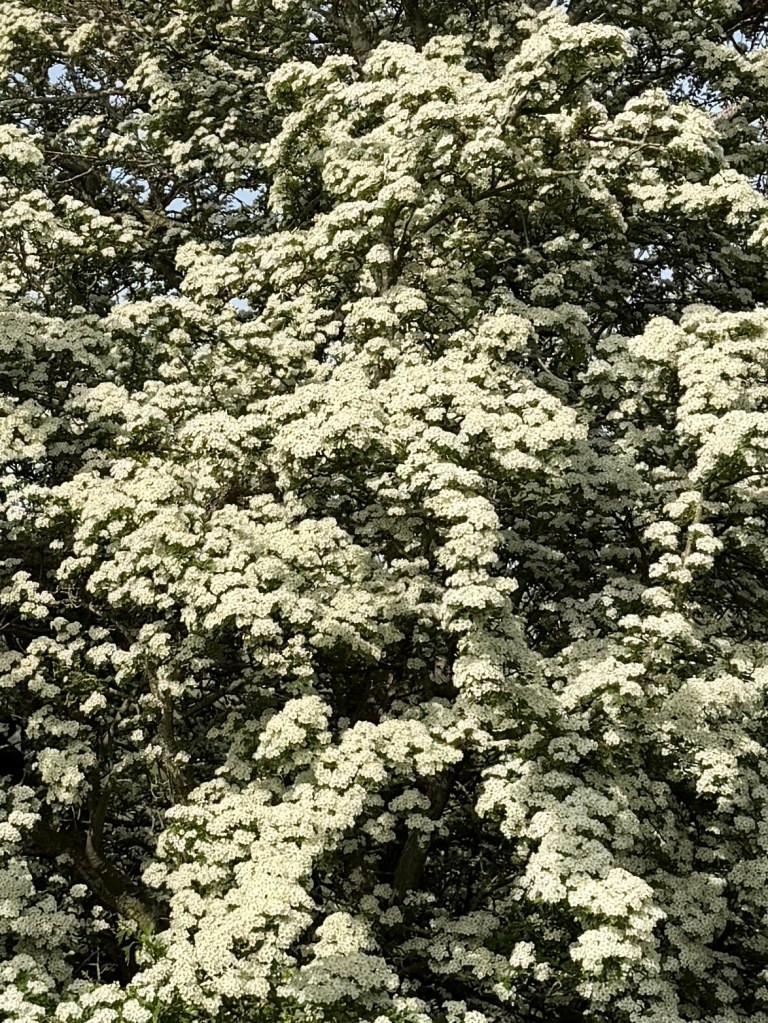
It’s late May. It’s spring, but it feels like summer. Temperatures are due to hit 30°+ darn sarf today and it’s not exactly chilly on The Cluster, which is full of life (and death) and looks amazing. The May is in full blossom and as usual smells wonderful… to me. But apparently there are some folk that think it smells like death! The smell is caused by a chemical compound called trimethylamine, which is also one of the first chemicals released when animal tissue decomposes. While off-putting to humans, this evolved to attract carrion-eating insects—like flies and beetles—to pollinate the tree. In medieval times, this putrid scent was famously associated with the plague, and many rural communities considered it incredibly unlucky to bring the blossoms indoors. So I like the smell of death then.
Here Be Dragons?
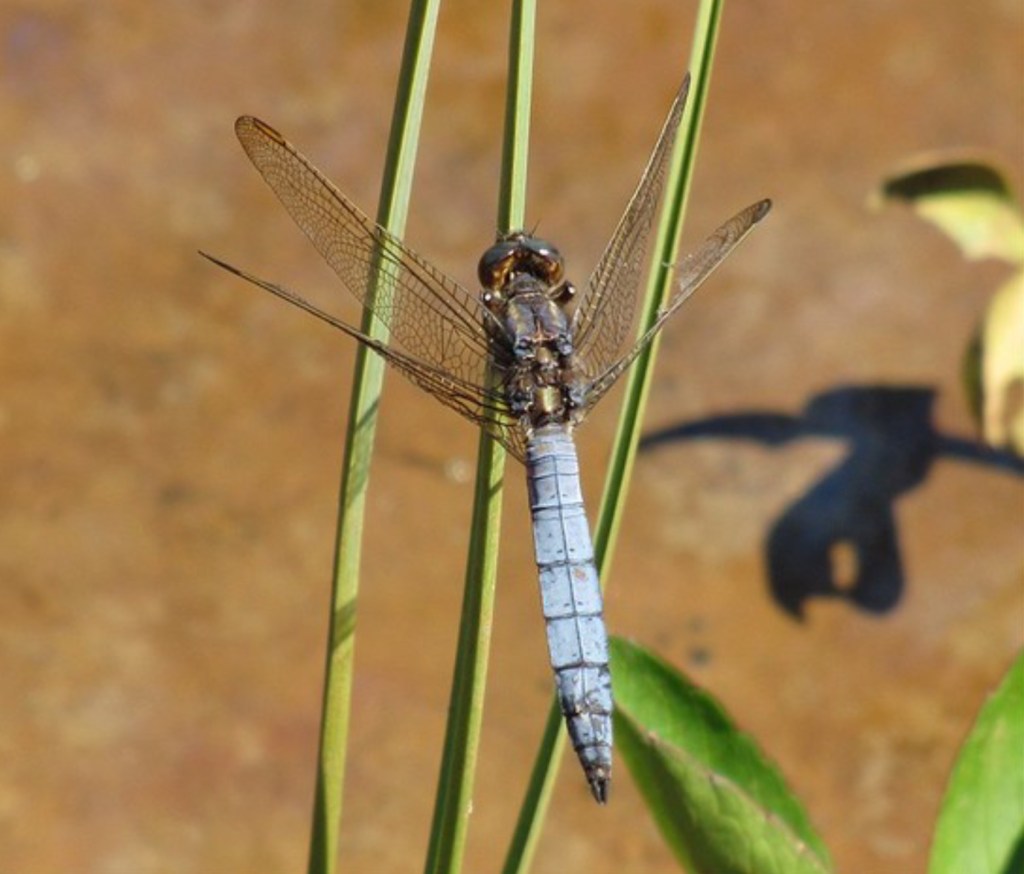
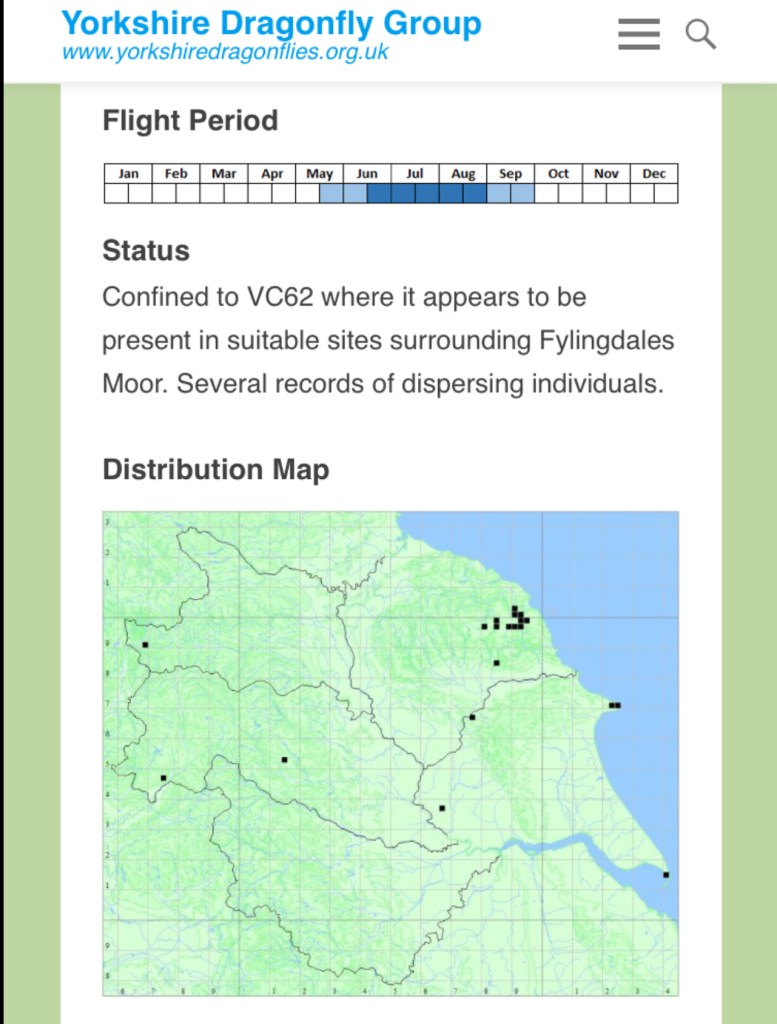
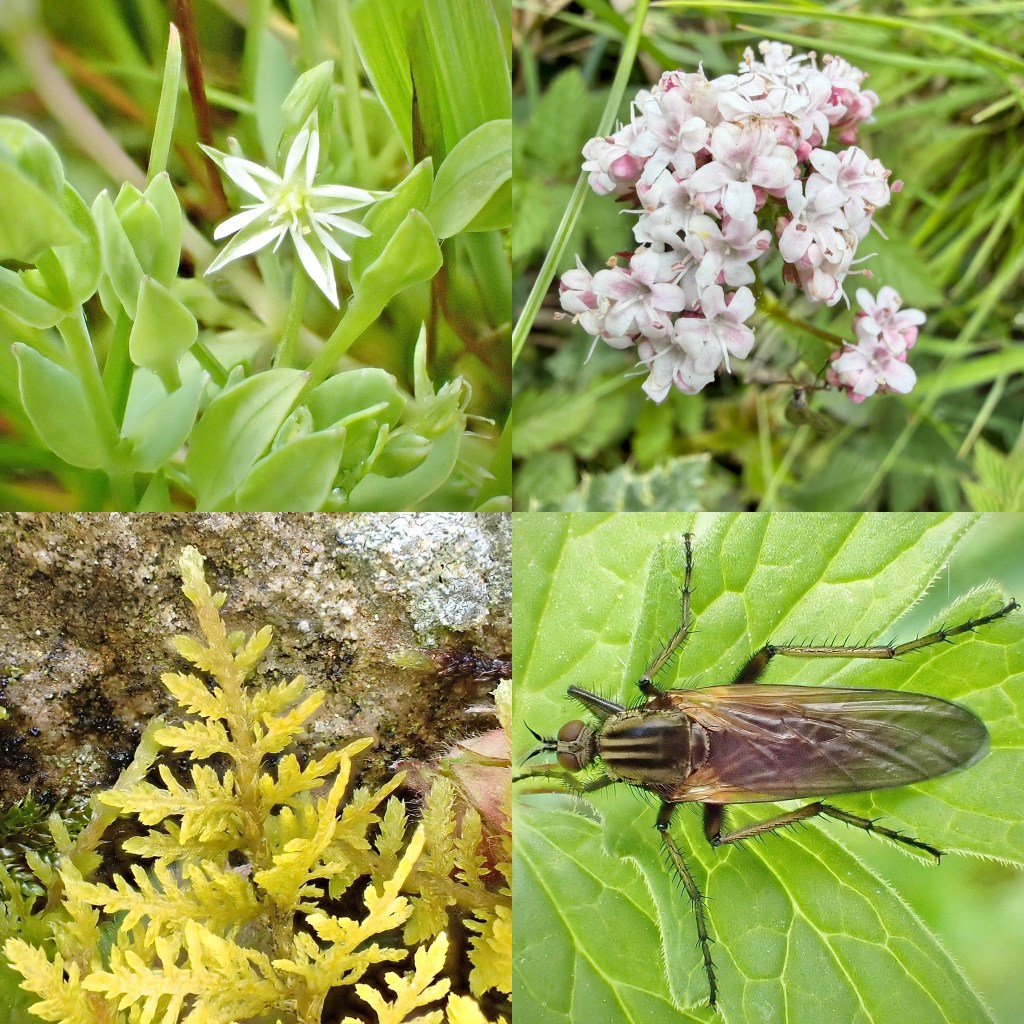
As you will know if you have read Liz’s recent(ish) blog, we had a lot more scrapes dug earlier in the spring and they are all vegetating up very well. There has been an explosion of Marsh Valerian around one of them where we haven’t recorded the plant before. We are hoping for a lot of new records for species that like this kind of thing in the future. One species that was spotted last year (as larva) was a dragonfly called a Keeled Skimmer. This species (in Yorkshire) is only found on a few sites in the North Yorkshire Moors so we are keeping a close eye on our wet bits and hoping to find some adults. Keith Gittens (British Dragonfly Recorder for NW and NE Yorkshire) has offered to come and have a wander in July (their main flight period) so expect a blog about dragons to let you know what we’ve found.
Both images here are from the British Dragonfly Society website (https://british-dragonflies.org.uk)
WW. (Willows and Woodcock)
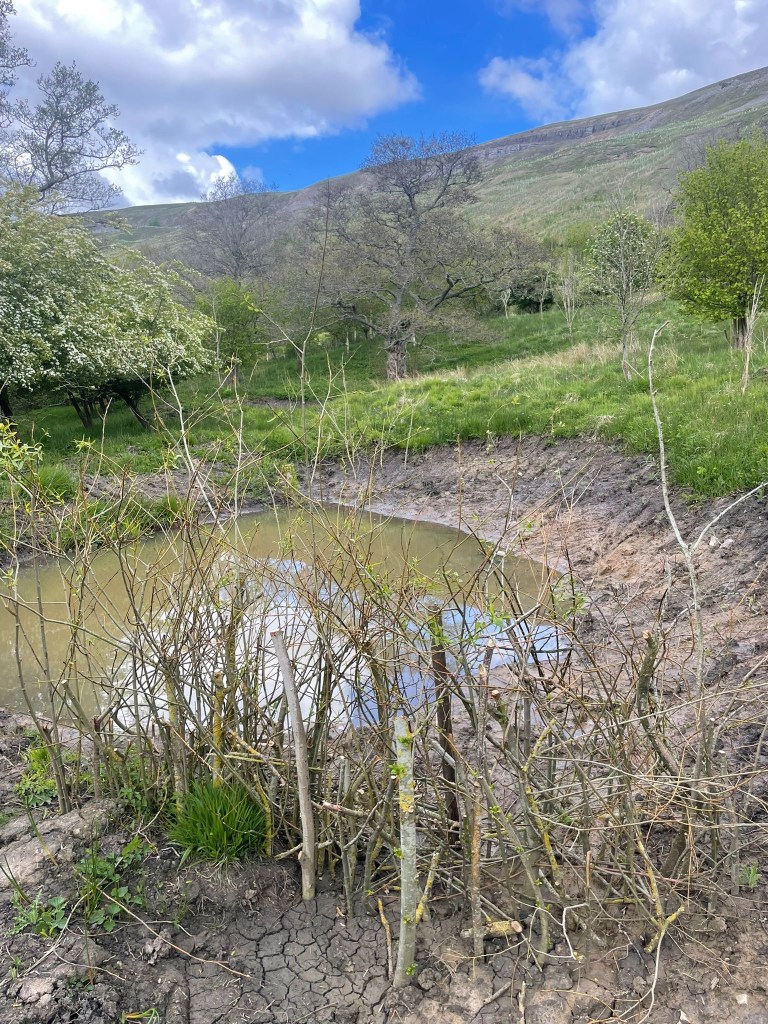
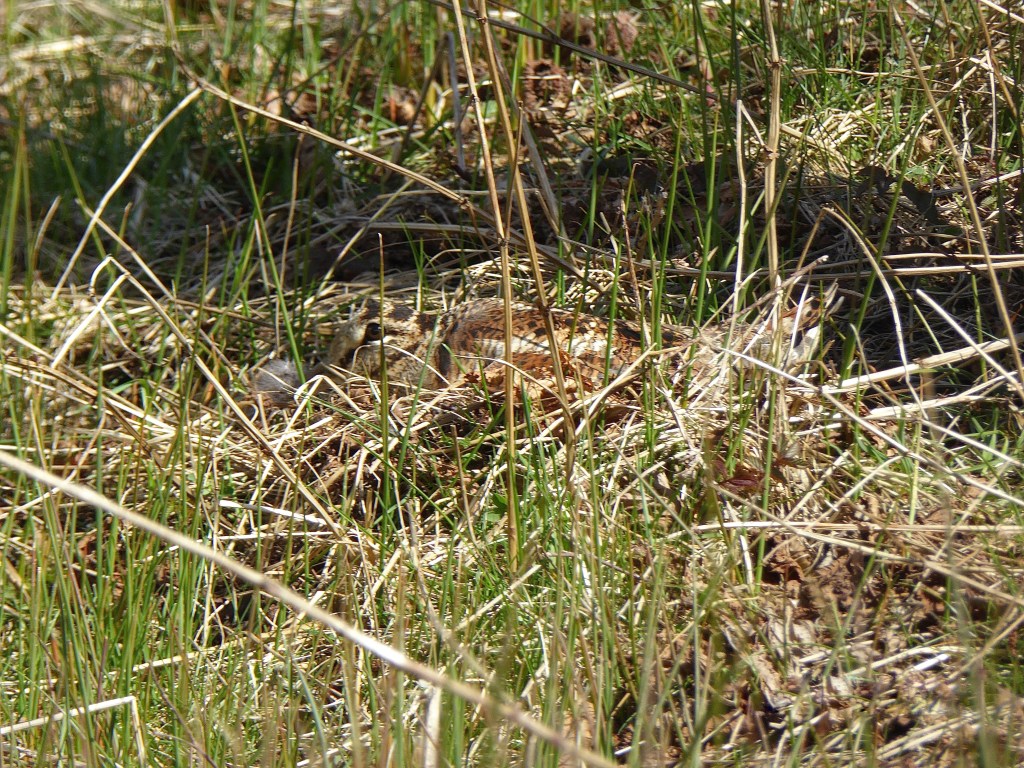
After our scrapes were dug we decided to try and increase their efficiency as Natural Flood Management and build some living ‘leaky dams’ to slow the flow of flood water out of them. Willow is perfect for this and Sustainable Swaledale (https://www.sustainableswaledale.org/) kindly offered to help. We harvested the willow on site and proceeded to chop it up into smaller pieces to make the dam structures. As I was getting materials ready I flushed a Woodcock that was sitting on four eggs. So the next day when we were constructing the dams we obviously kept away from her as thankfully she was back on the eggs. (i checked a couple of weeks later and it appeared she had hatched three of the eggs and hopefully fledged three young, the other egg was on the nest but sadly hadn’t hatched).
WWW. (Wood Wide Web)
In April The Cluster was one of the sites visited as part of a training day on woodland creation and management.The chap leading it went through the positives and negatives of the plantings on the Castle end and had some good suggestions of how to move forward. He is very much a fan of dead wood being on site (as we are) as this is not only great habitat for all sorts of beasties, but is also important because of the role of fungi in breaking dead wood down and of fungi’s important role in tree health and growth. We are learning more and more about the important symbiotic relationship between fungi and trees. Many have now know the term ‘The Wood Wide Web’, coined after the work of Canadian Scientist Suzanne Simard (Professor of Forest Ecology at the University of British Columbia and the author of Finding the Mother Tree: Discovering the Wisdom of the Forest and When the Forest Breathes). It’s a fascinating branch of science and we are hoping to start using chipped rotting wood as a mulch in future plantings. After the flood in 2019 I had to remove many trees from local fields and I still have a large heap of what is now suitably ‘soft’ fungal rich wood, which we will move onto site in the near future. I’d like to thank Will Richardson (the Chartered Forester gent who led the day) for creating a fair bit of work of us. I’m sure we’d only be bored otherwise.
Summertime and the living’s easy?
We are in full ‘recording’ mode currently. Trying to record as much of the wildlife on site as possible so as to build a picture of what we have currently, whats missing and how we can improve things. All records are entered onto iNaturalist https://www.inaturalist.org/home (a free app that is easy to use and when records are verified [by ‘identifiers’ on the app] they are then available for our national databases to use.) We created a ‘Project’ called Heggs-Castle (https://www.inaturalist.org/projects/heggs-castle) so any records entered from the cluster will appear there. Liz and I were having a bit of a competition to see how many records we could submit which has spurred us both on to get recording and identifying. Judging by Liz’s sizeable lead currently, it seems to have spurred one of us on a lot more than the other!
In June as part of The Swaledale Festival (https://www.swalefest.org/) we are hosting a walk (sold out sorry) which will focus on our Natural Flood Management works, tree-planting, birdlife, ancient trees and returning wildlife. Hopefully the weather will pay ball.
Moving Forward
We are now planning jobs that will need doing or we want to do this winter. Apart from ongoing ‘tidying up’ (this means picking up rubbish that has been washed down the river during flood events and usually consists of a lot of black plastic silage wrap which is to say the least, awkward to deal with as it gets wrapped around branches etc. We really need to look at the amount of plastic used in farming, which despite their best efforts, a lot of it becomes someone else’s problem).
We are going to ‘lay’ some of our “lollipop” trees to create low down cover is some areas. Due to rabbits we have to use tree shelters when planting. The problem this creates is that there are no branches low down so little ground level (and just above) habitat for beasties, hence the term ‘lollipop’. An awful lot of birds like to nest below one metre height so hopefully this will help. We will exclude rabbits from some areas, but leave others open to see what happens.
There are quite a few tree shelters to remove and these will either be re-used elsewhere or recycled. Surprisingly if you recycle plastic shelters they embody a lower carbon footprint than any currently available biodegradable shelter. Hopefully this will change in the very near future as we try and move away from plastic (but the biodegradable alternatives need to get a lot better as all the ones we have tried have failed prematurely.
We will probably be hassling you in the near to sign up for one of our planned volunteering days later this year (and into next) so there’s something to look forward to!
TTFN
Martin
PS… “Wagwan” is a popular slang term derived from Jamaican Creole. It is a contraction of the phrase “What’s going on?” So now you know.

