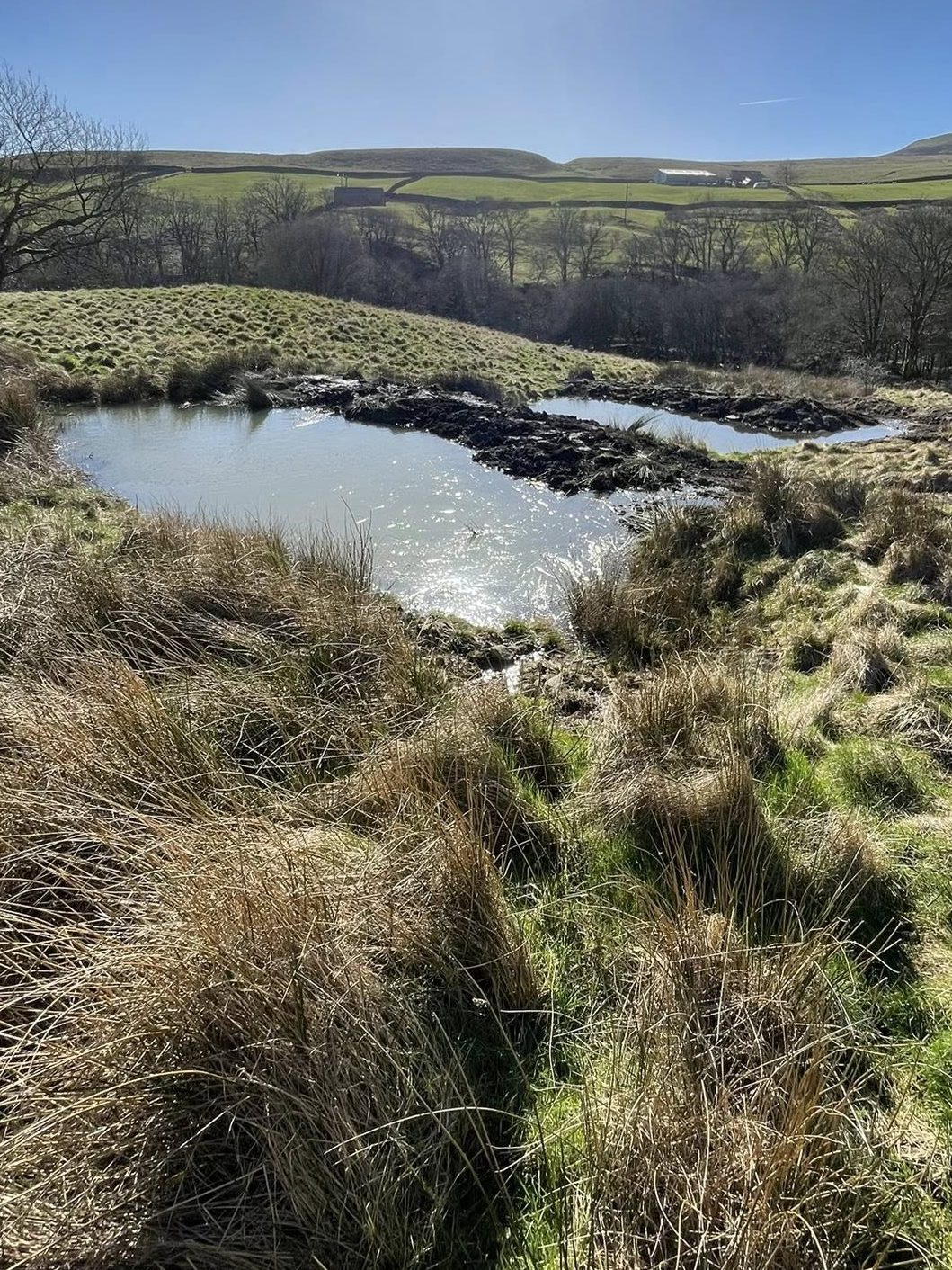
Less than a week after the digger team left site and most of our 18 new scrapes are already full of water; a nice ‘instant’ result in a project that’s otherwise characterised by slow, incremental change across a number of years.
This is our second round of Natural Flood Management interventions designed to slow the flow of water through the valley; this time guided by the team at Ousewem in collaboration with the Yorkshire Dales Rivers Trust.
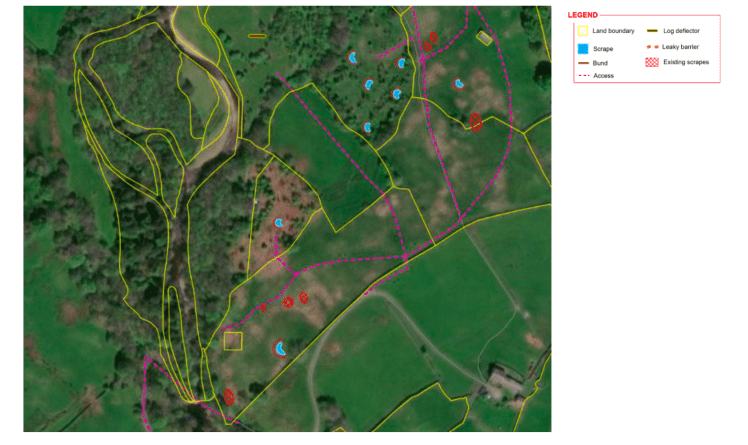
Additional locations were identified across the site for a combination of scrapes, leaky barriers and log deflectors, all of which help to collect and hold back rainwater, store surface run-off from seasonal tributaries, and create additional habitat for aquatic invertebrates; as well as providing new feeding grounds for other wildlife.
All of these complement our existing interventions (marked in red on the map above).
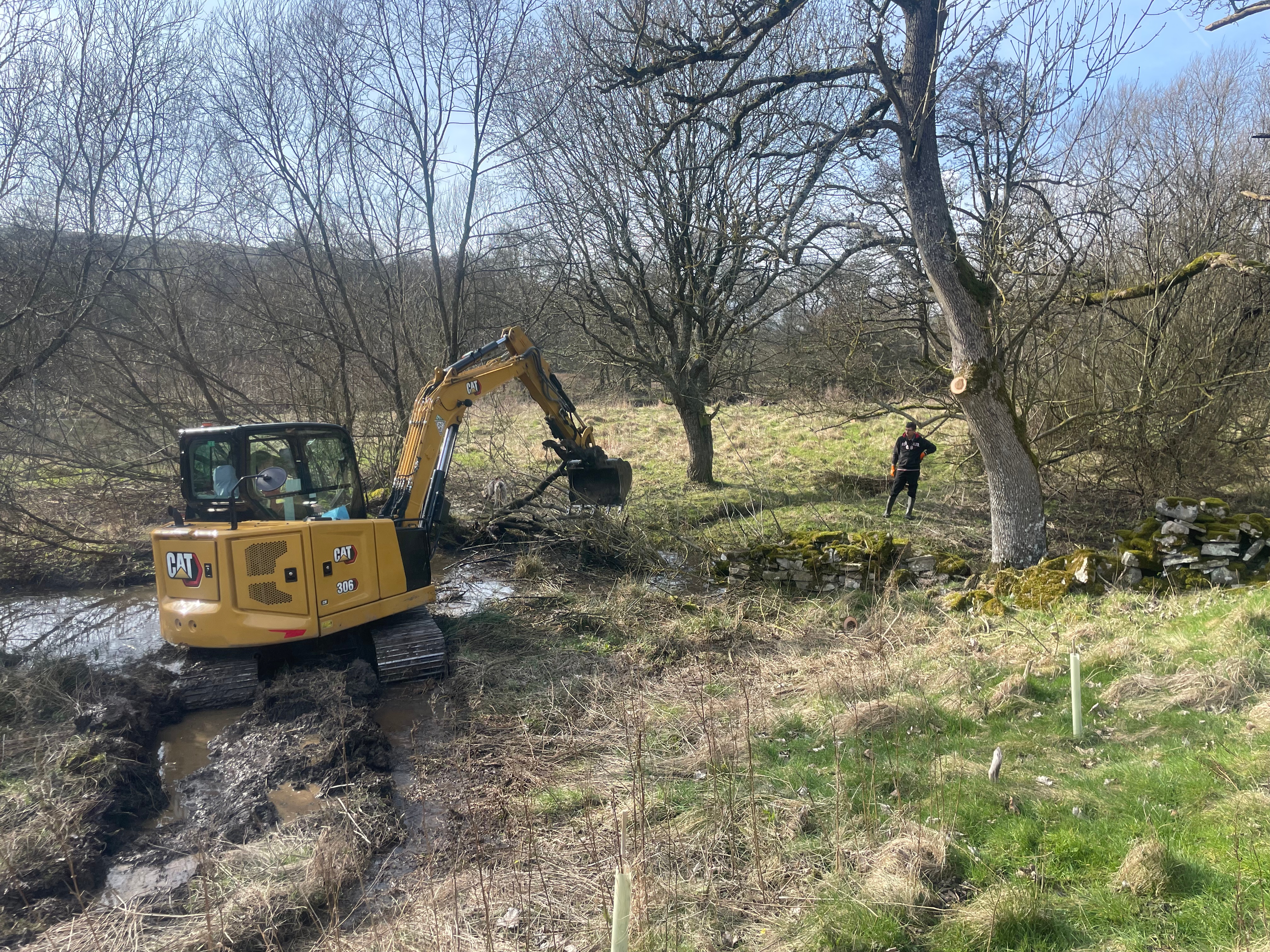
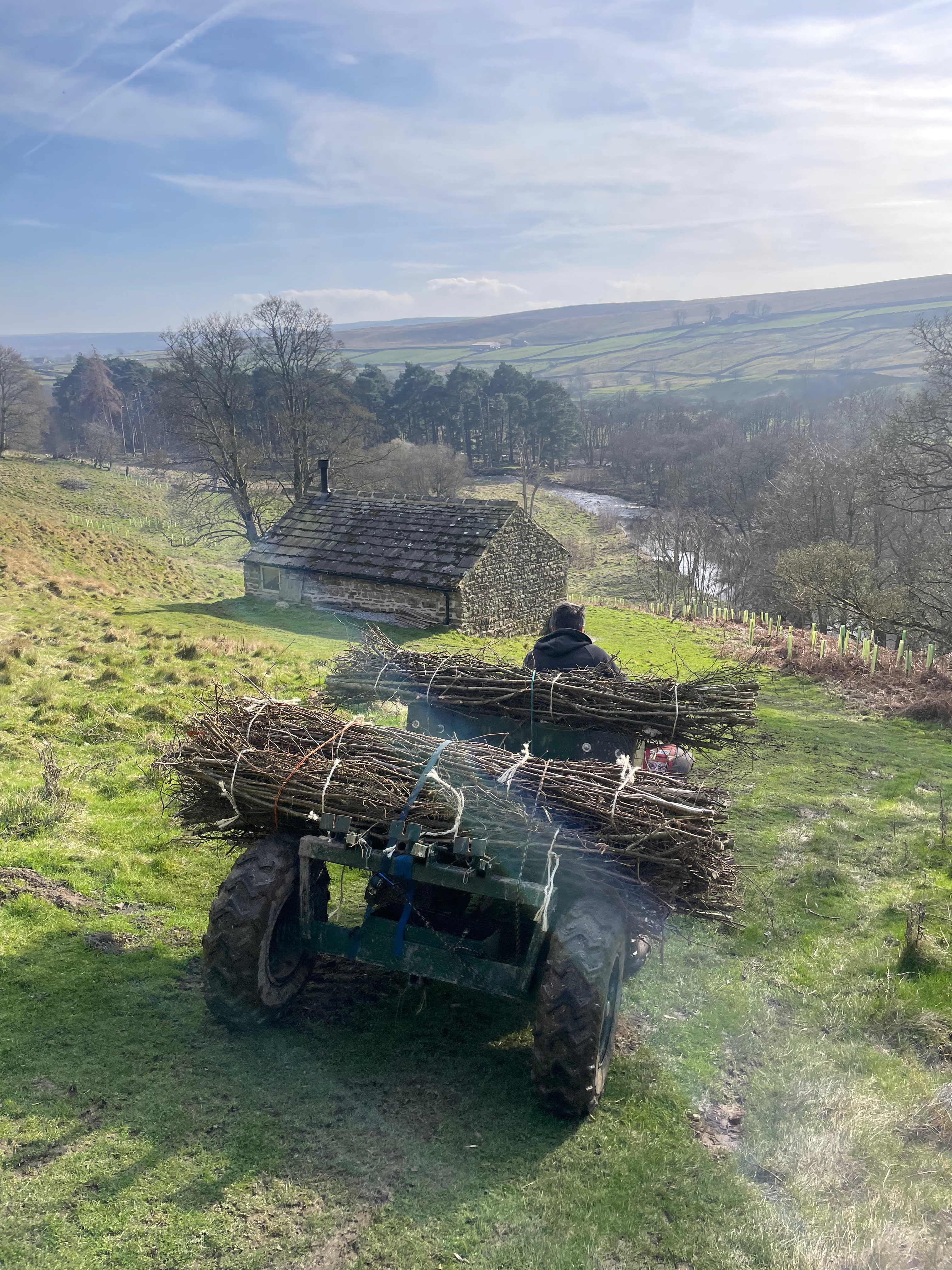
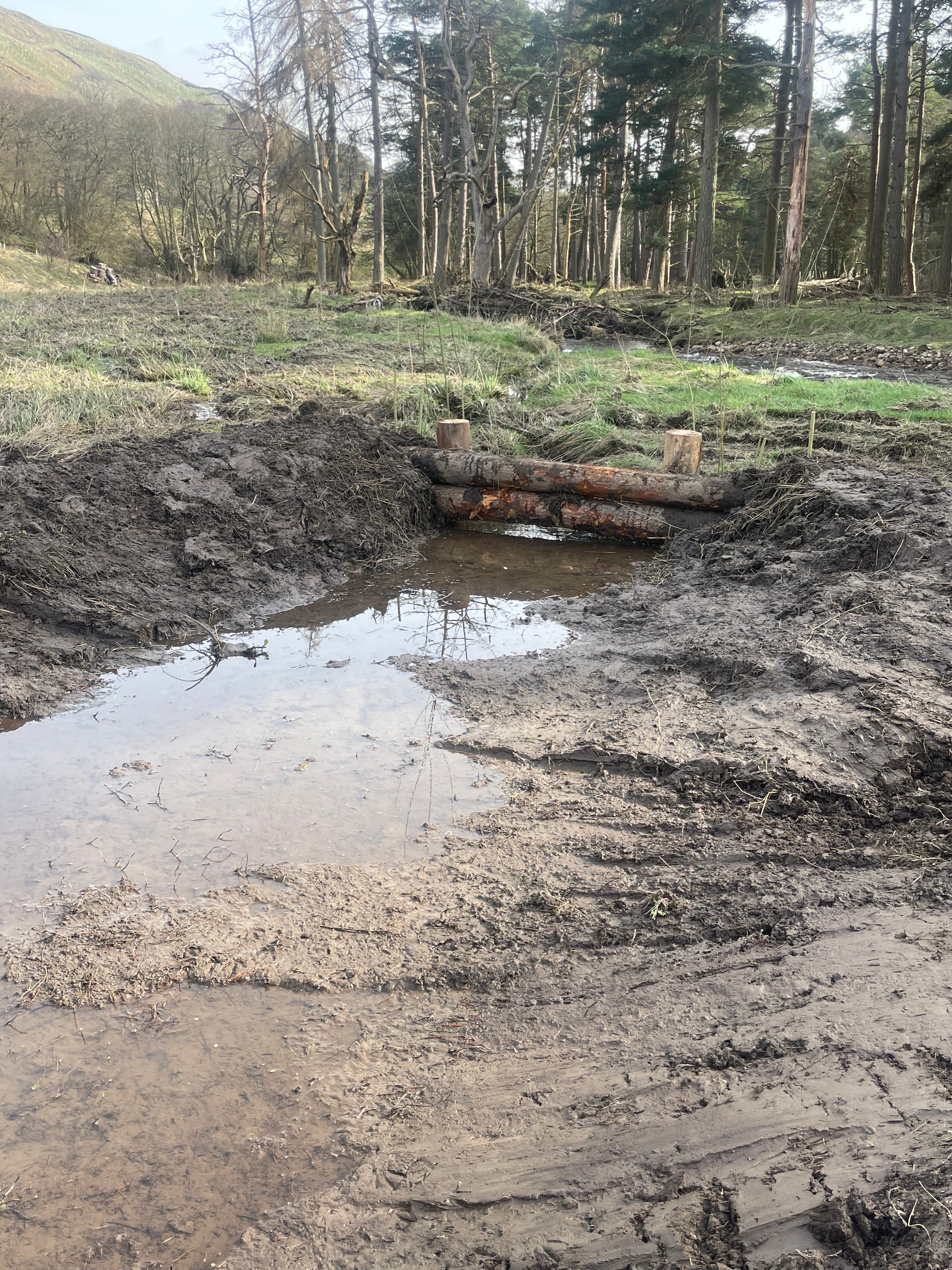
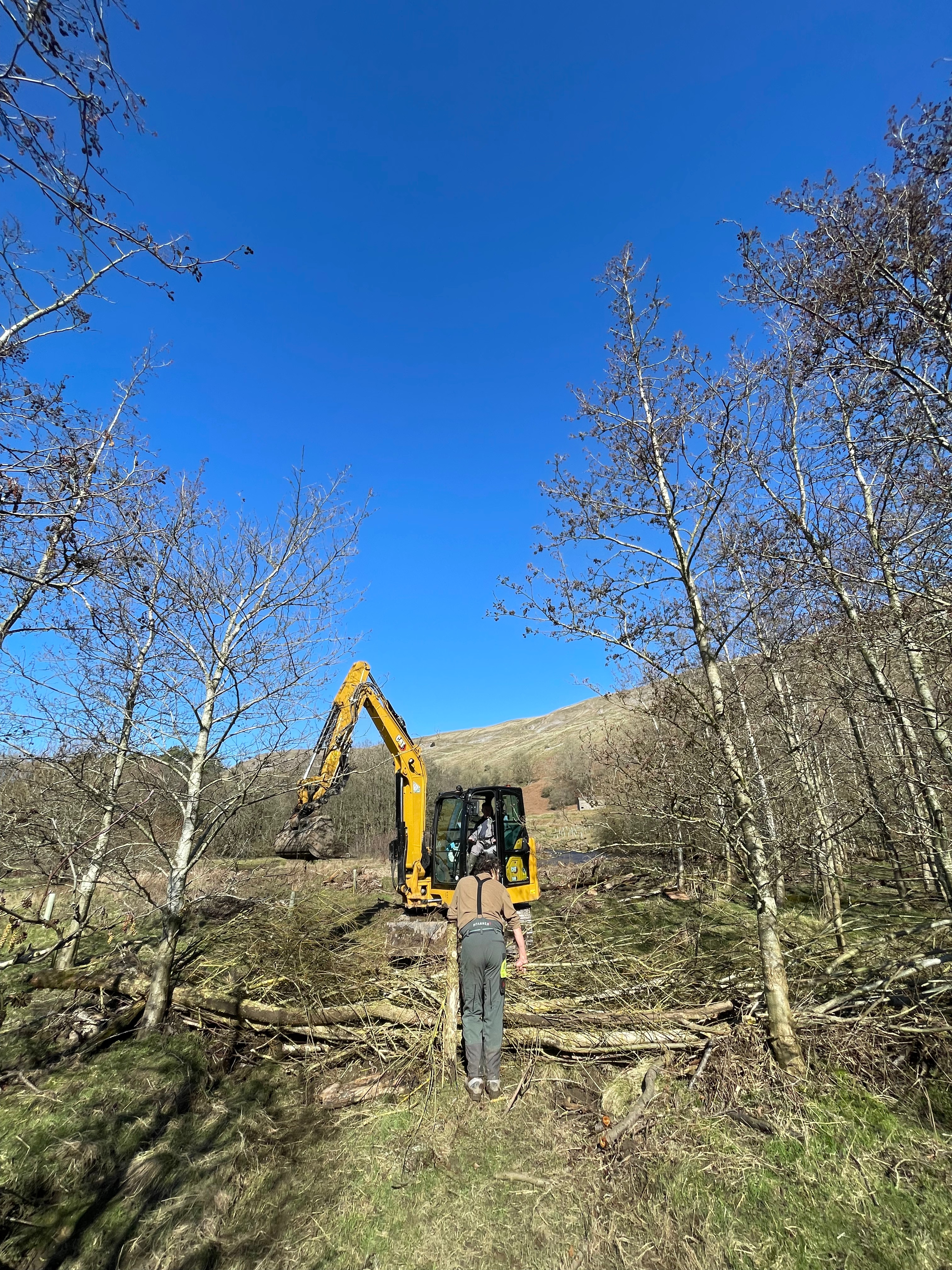
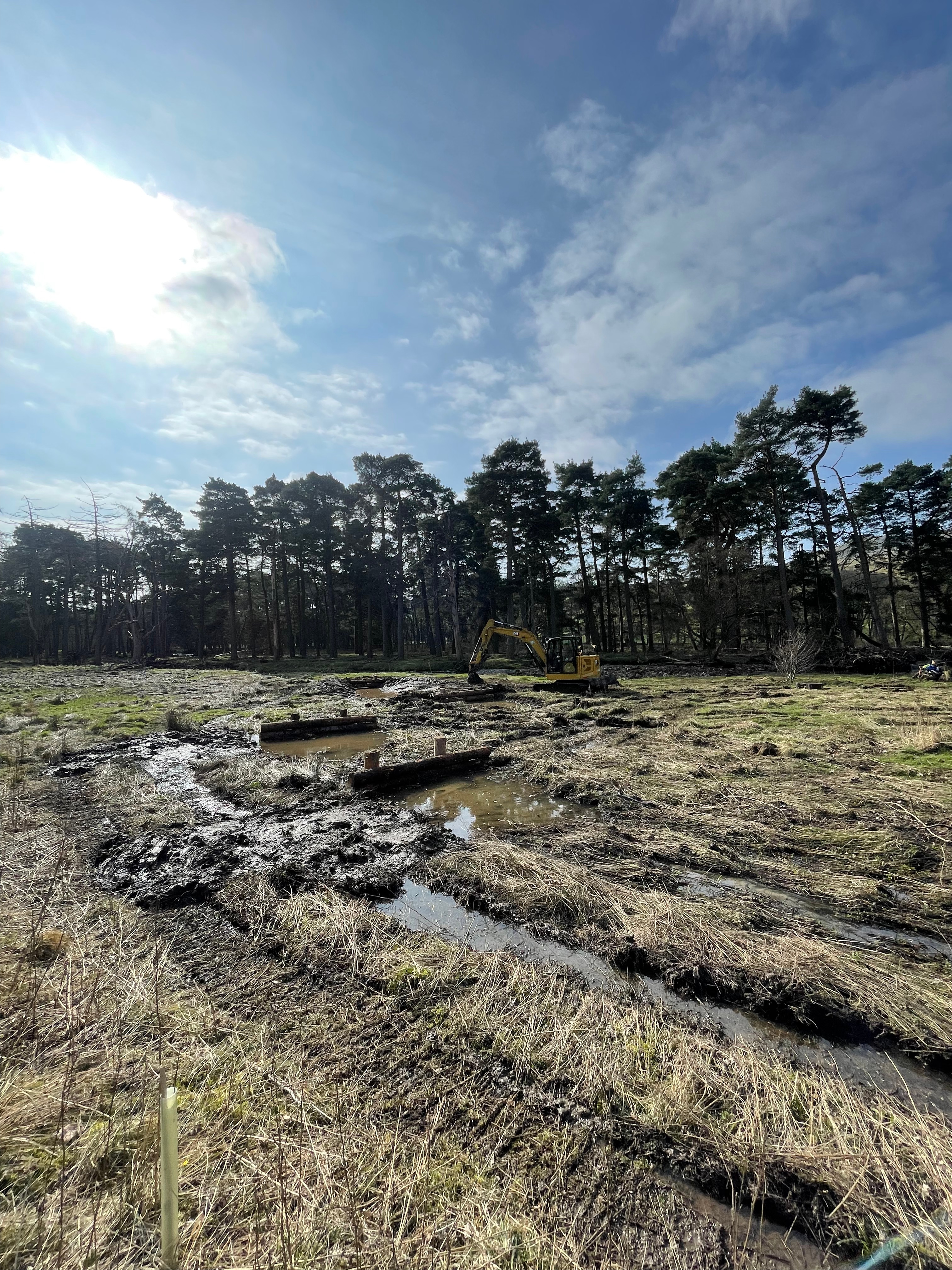
A digger was used to create the scrapes and bunds (raised edges); we used locally sourced larch posts for the log deflectors, and leaky barriers were created from coppiced brash bundles as well as willow harvested on site.
Finally, we planted willow cuttings at the edge of scrapes in a few test locations; and if the rabbits don’t make off with them, we will soon be adding more!
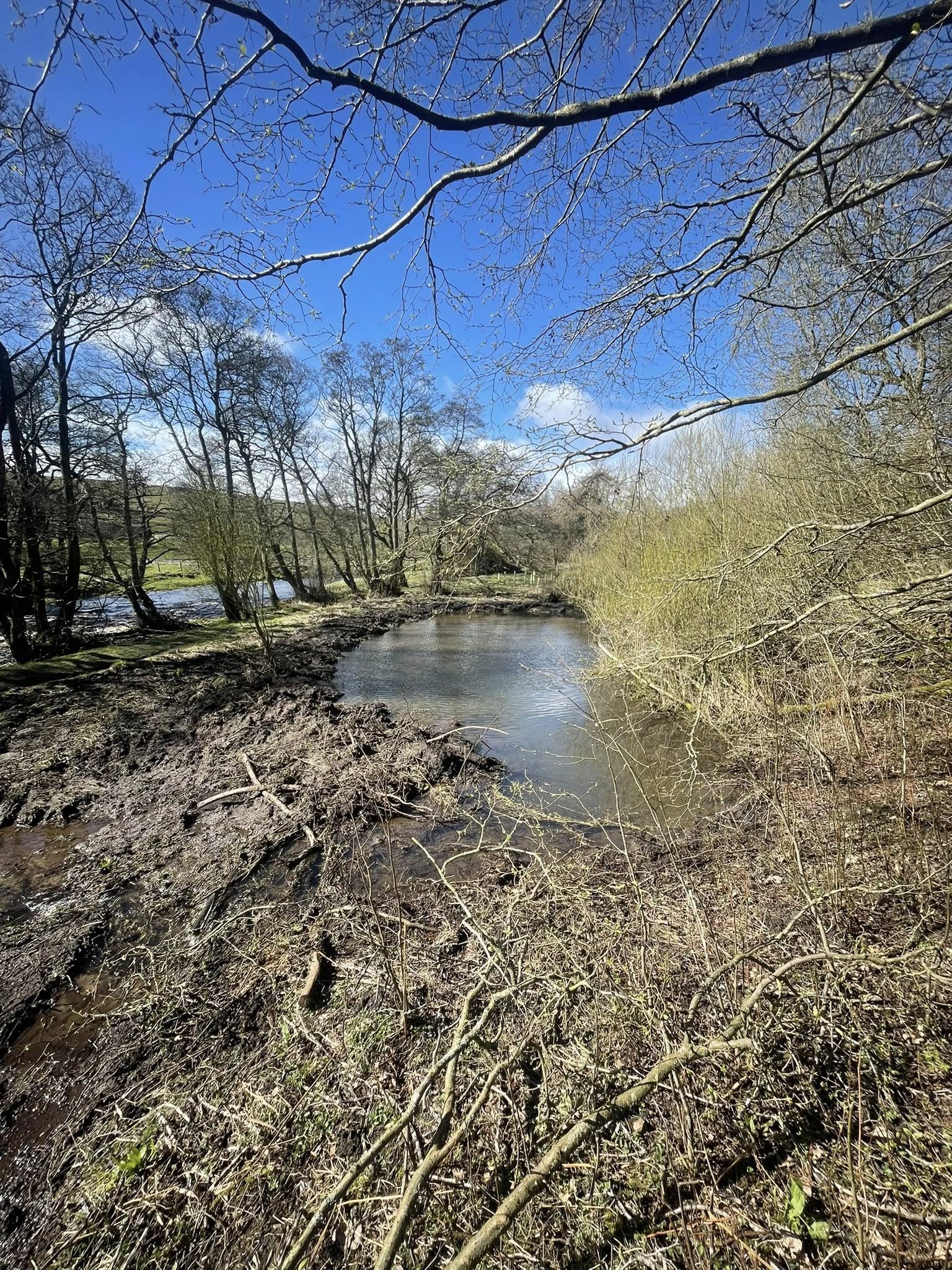
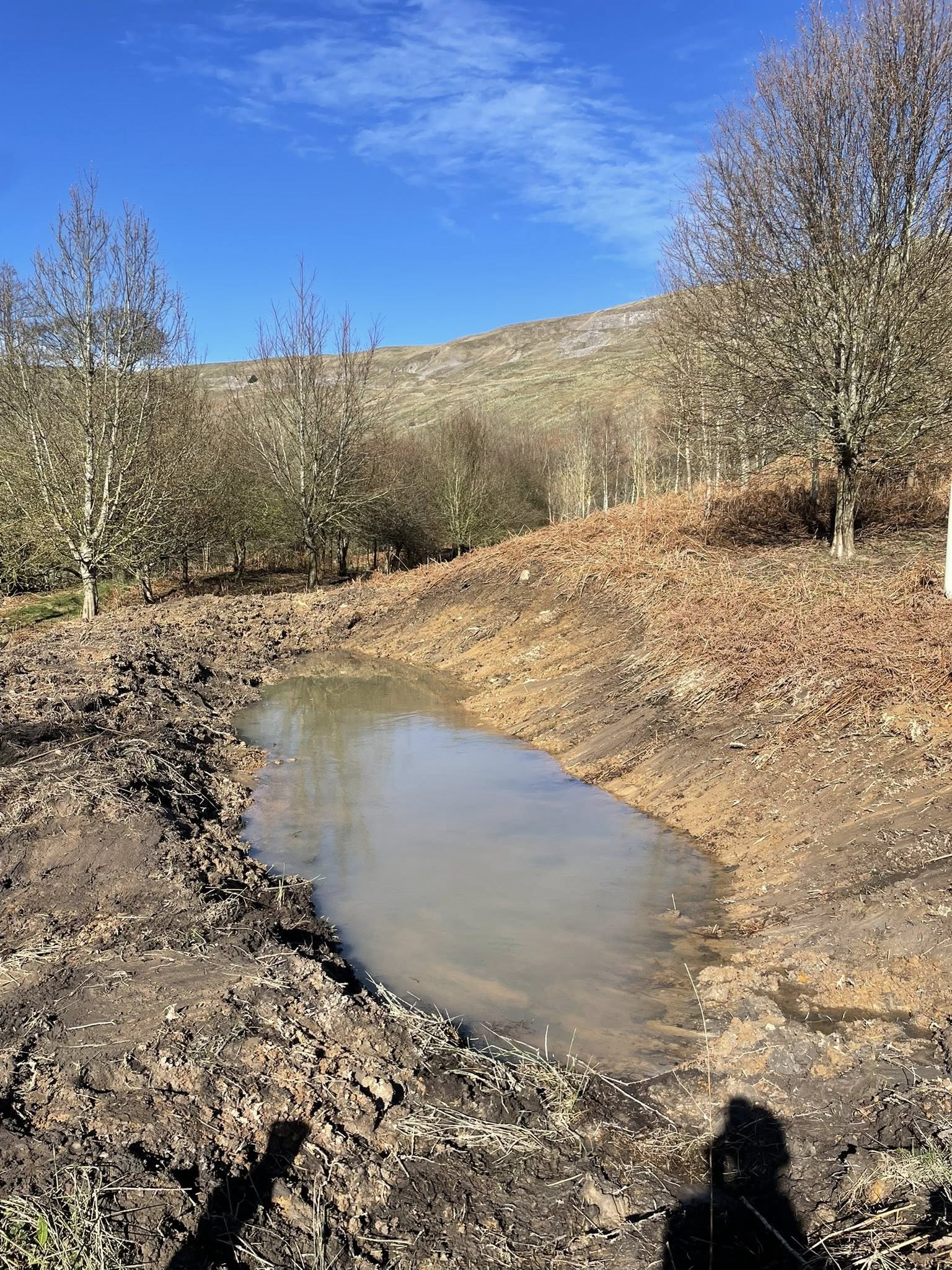
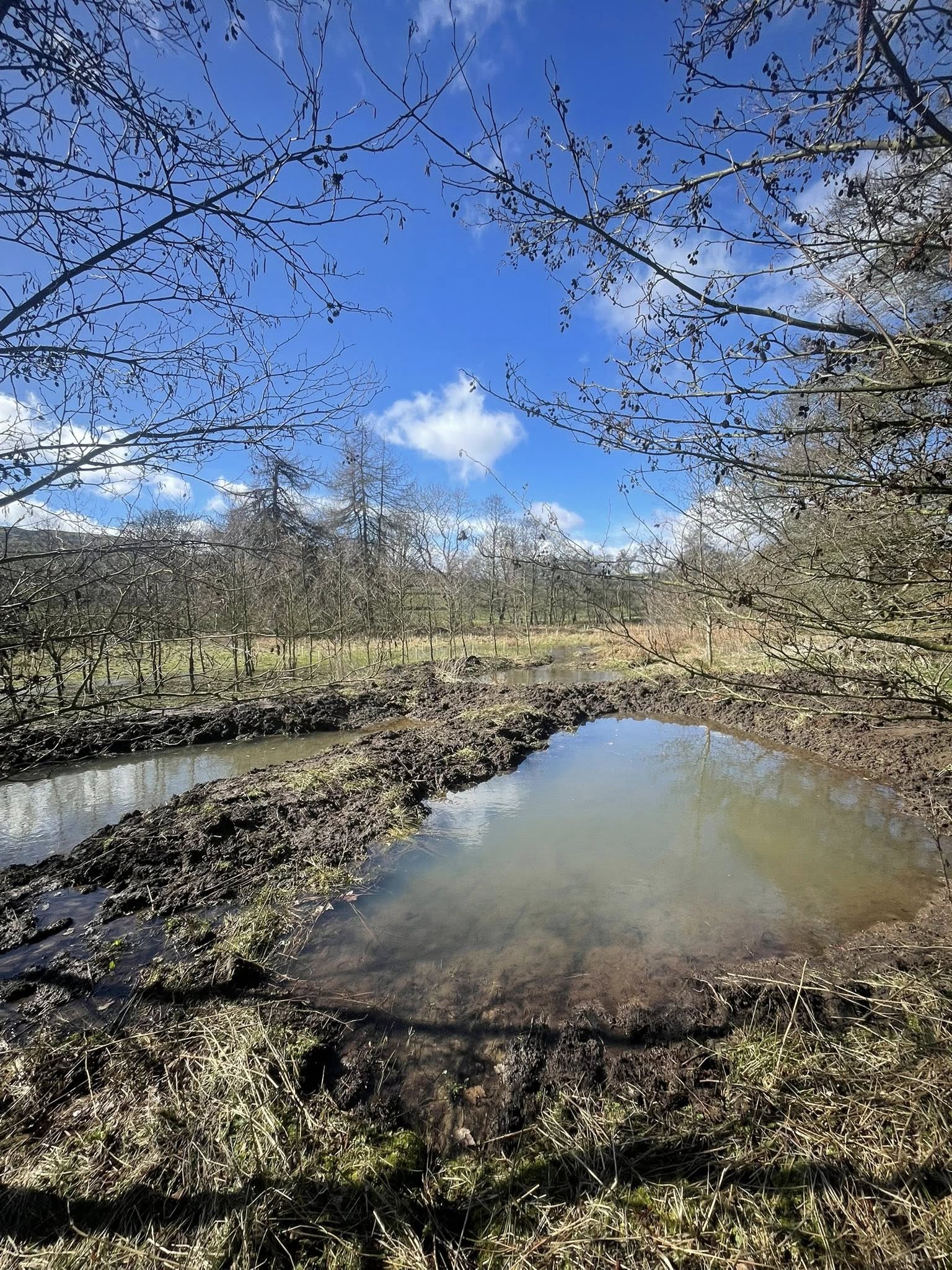
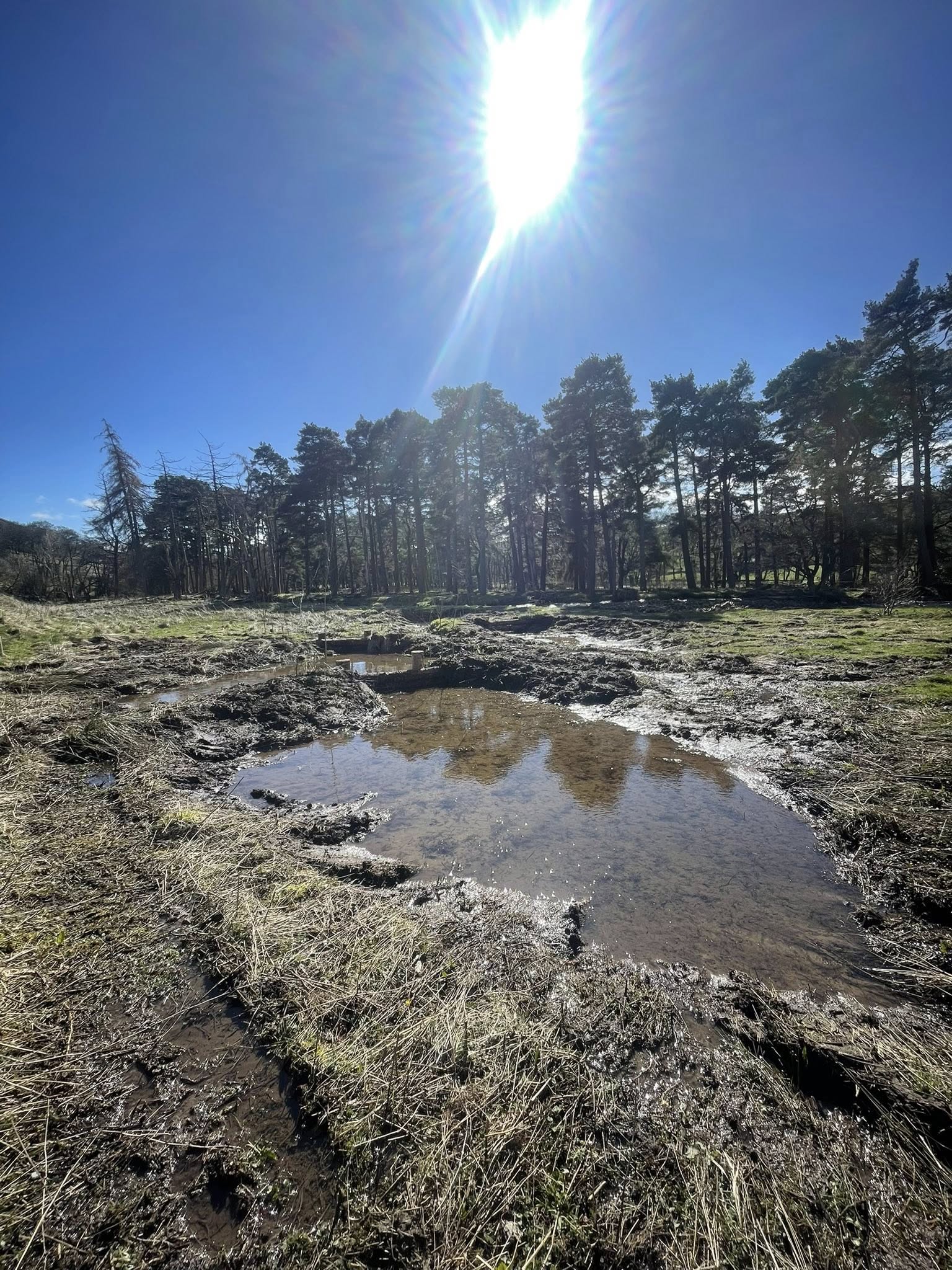
Many of the scrapes had filled up a day after being created, others took a little longer. In either case, they’re working!
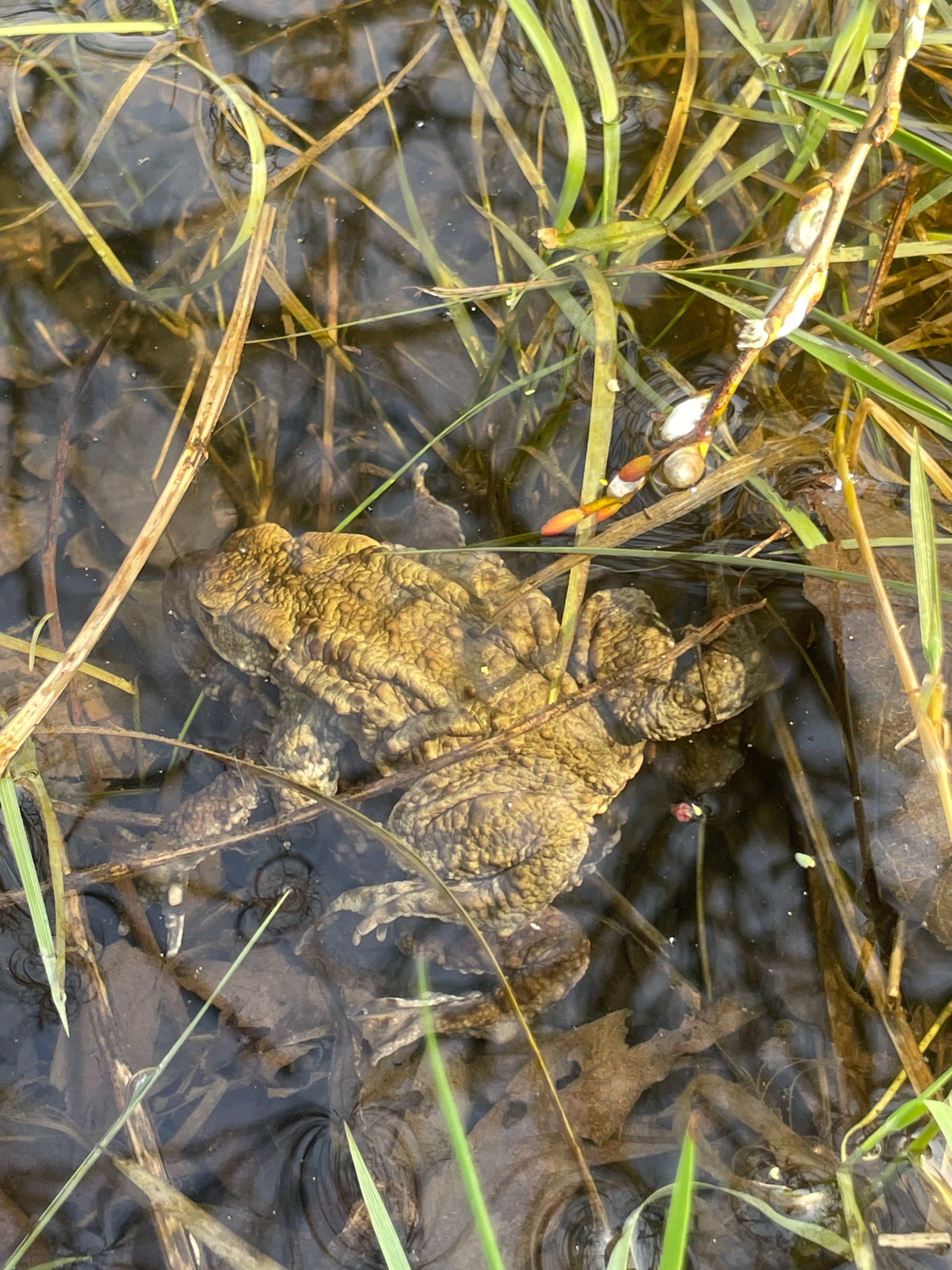
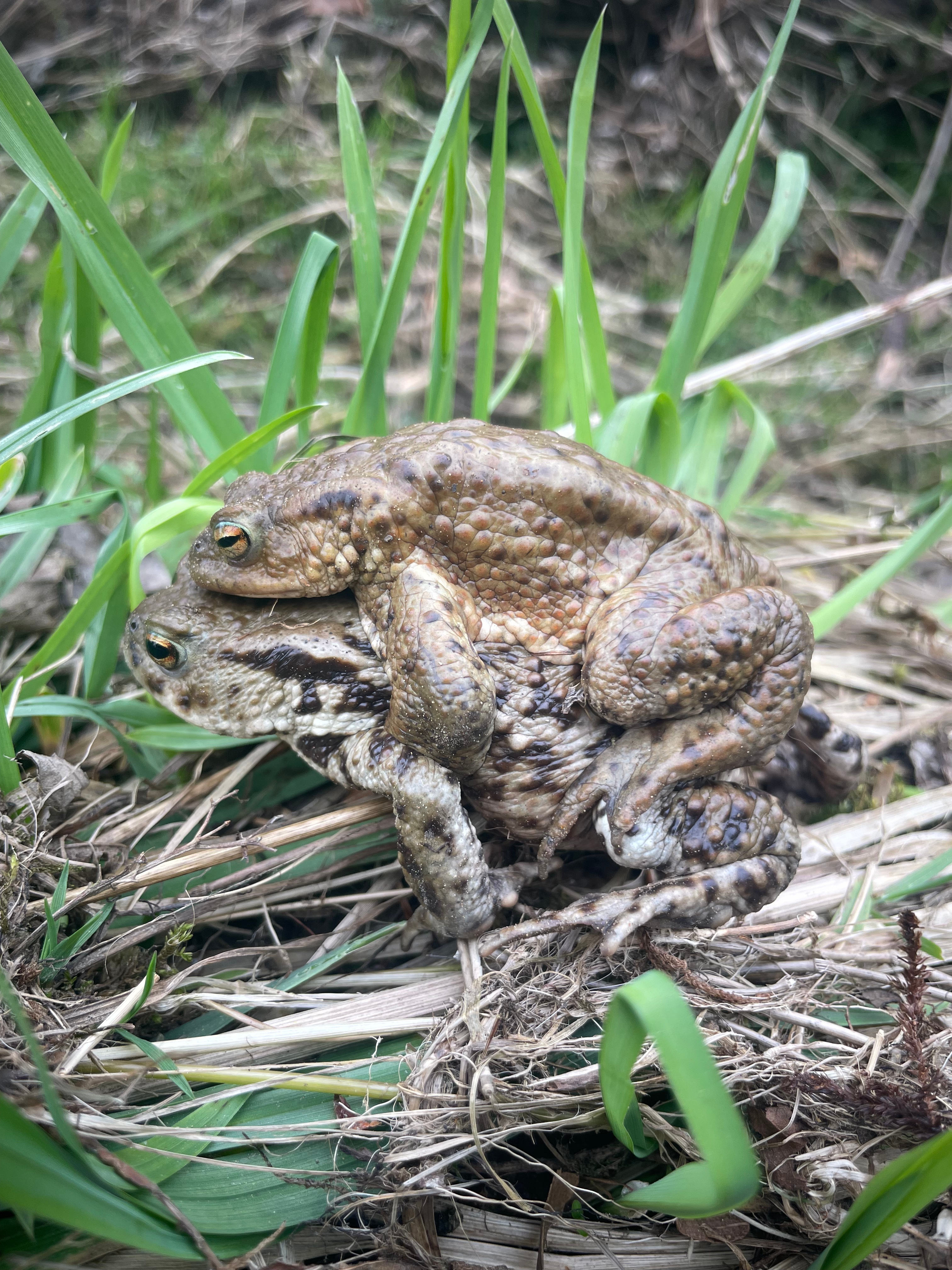
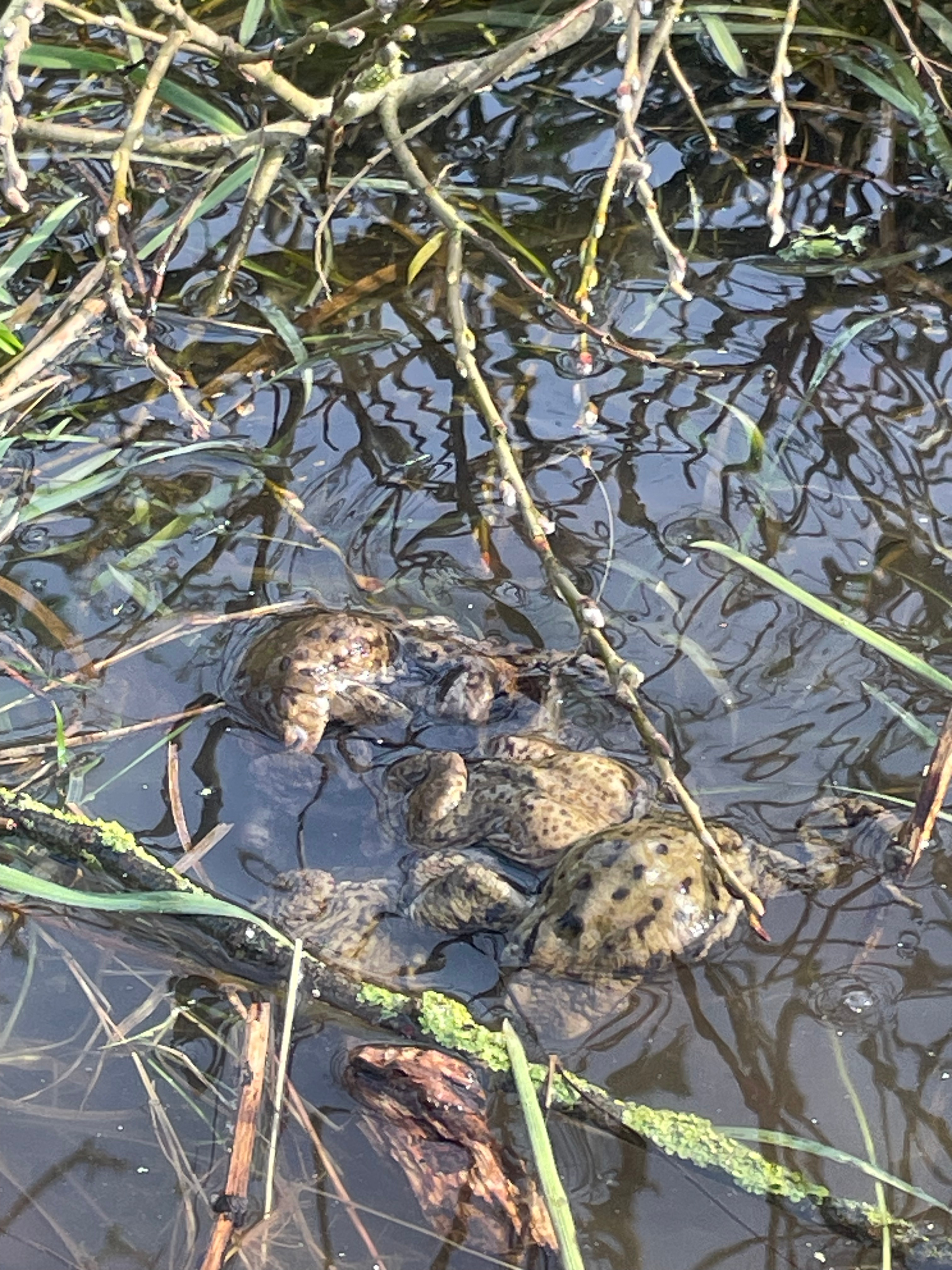
European Toads have already been making the most of an increased choice of wetland areas on site, and as the sediment settles and the vegetation starts to take hold, we will be keeping a close eye on what and who else moves in!
Many thanks to Pete Iveson, our very talented digger driver, and to the team at Ousewem for funding the works.
 Heggs-Castle Renaturing Project